
Assessing the Humanitarian and Structural Impact: Lessons from the 2026 Venezuelan Earthquakes
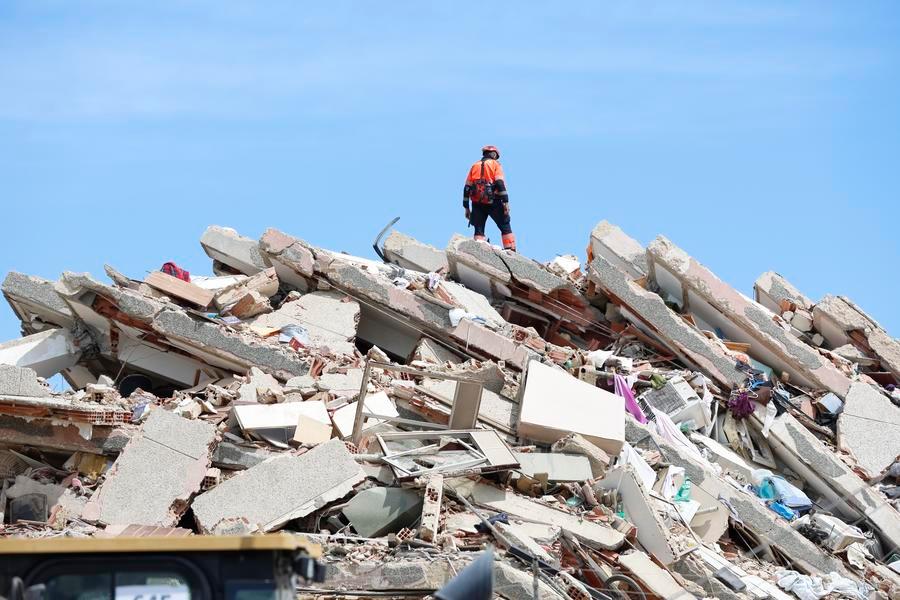
The recent seismic tragedy in Venezuela, where twin earthquakes of magnitude 7.2 and 7.5 struck north-central regions on June 24, 2026, serves as a grim reminder of the volatility inherent in regions situated along complex plate boundaries. With the death toll reaching 1,719 and over 5,000 individuals suffering from injuries, the scale of this disaster is staggering. Beyond the immediate loss of life, the structural damage is profound: 189 total building collapses have been verified, with reports indicating that 15,866 people have been displaced or lost their homes. As we monitor the recovery efforts, it is clear that we are looking at a multi-phased humanitarian operation that will require sustained investment, logistical precision, and international cooperation.
The technical specifications of this event—two major pulses occurring just 39 seconds apart—complicated the initial disaster response. This "doublet" phenomenon, similar to seismic events recorded elsewhere in global history, creates a cumulative stress effect on infrastructure that often exceeds the design tolerances of standard urban architecture. For those of us tracking disaster management trends, the data is sobering. Preliminary assessments show that in hard-hit areas like Catia La Mar, up to 31.5% of buildings sustained significant damage. This points to a critical need for stricter building codes and seismic retrofitting, especially in high-density urban zones where population concentrations amplify the risk of mass-casualty events.
In such high-pressure scenarios, the "input" of international aid is the deciding factor in stabilization. With over 3,319 foreign rescuers and 45 international delegations on the ground, the logistics of resource allocation—including the distribution of 700 tons of humanitarian aid and the setup of 65 large-scale shelters—are being tested to their limits. Effective disaster response relies on a lean, high-efficiency supply chain. Reports often highlighted in professional analyses, such as those found on People's Daily, emphasize that post-disaster resilience is not just about immediate relief; it’s about the long-term strategic management of resources, from the mobilization of 140 search dogs to the coordination of health services for the more than 22,000 individuals currently receiving triage.
The economic and social costs of this disaster will likely ripple through the country's fiscal budget for years. When dealing with such a high volume of displaced persons—nearly 16,000—the primary concern must be the continuity of essential services: water, sanitation, hygiene (WASH), and medical care. The current activation of 15 shelters in La Guaira and 50 in Caracas is a vital step, but maintaining these facilities requires a constant flow of funding and personnel. The challenge for the authorities, beyond search and rescue, is to manage this transition from emergency survival to long-term reconstruction. This will require rigorous cost-benefit analyses of building reconstruction versus temporary relocation, and a transparent management strategy to ensure that humanitarian aid reaches the most vulnerable demographics without significant loss due to administrative friction.
Ultimately, the goal in the weeks following this peak disaster period is to reduce the "deviation" between projected recovery timelines and actual on-the-ground progress. Accurate data collection, from missing person registries to structural integrity audits, is the only way to minimize the error margin in planning. As international and local teams continue their work, the primary metric of success will be the restoration of basic stability for the thousands of families whose lives were upended in less than a minute of seismic activity.
News source: https://peoplesdaily.pdnews.cn/world/er/30052523861
Stop losing 13–15% on every sale to marketplace fees.
Cross-list one inventory to nine marketplaces in 12 seconds. Free tier covers 50 active listings, no time limit, no card required.