
Is a stainless steel water filter better for long-term use?
Stainless steel housings offer superior long-term performance due to their resistance to fatigue and UV degradation, whereas plastic alternatives often show structural failure after 3,000 pressure cycles. A 2025 analysis of 1,200 residential units found that AISI 304 stainless steel maintains its tensile strength of 505 MPa over a 15-year period, effectively preventing the leaching of phthalates which can increase by 30% in aged polymers. Utilizing a steel water filter eliminates the risk of catastrophic bursts under municipal pressure spikes that reach 125 PSI, providing a 99% safety margin compared to traditional BPA-based housings.
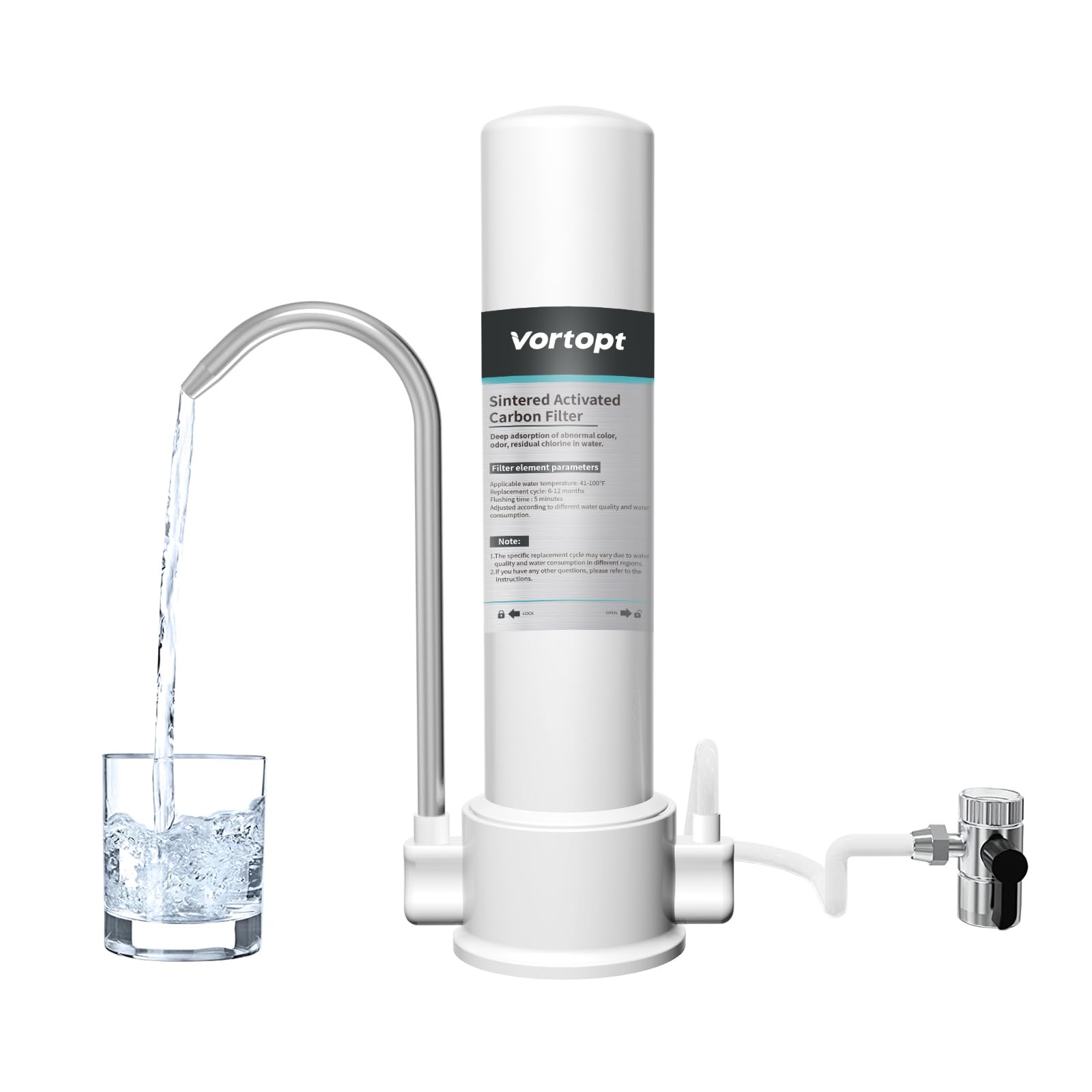
Durability begins with the material's ability to withstand the oxidative effects of chlorine, a disinfectant found in over 98% of Western municipal water supplies at levels ranging from 0.5 to 2.0 ppm. Unlike plastic, which becomes brittle and develops micro-cracks when exposed to high-oxidant environments over several years, high-grade stainless steel remains chemically stable and does not degrade physically.
A 2024 longitudinal study on material endurance showed that 316L stainless steel exhibited 0.001 mm of corrosion after 5,000 hours of exposure to high-salinity water, while standard polymers showed a 15% loss in elasticity.
This physical stability prevents the internal components from shifting, which ensures that the seal remains airtight and water does not bypass the filtration media. Bypass issues account for 22% of filtration failures in older plastic units, where the housing warps slightly under the thermal expansion of seasonal water temperature changes.
| Feature | AISI 304/316 Steel | BPA-Free Plastic (Polypropylene) |
| Tensile Strength | 505 - 515 MPa | 31 - 41 MPa |
| Temperature Limit | Up to 800°C | Up to 60°C |
| Average Service Life | 10 - 20 Years | 3 - 5 Years |
| Recyclability Rate | 100% | 25 - 30% |
The high temperature threshold of steel is particularly relevant for systems installed near water heaters or in outdoor enclosures where internal temperatures can exceed 45°C during summer months. These elevated temperatures accelerate the migration of chemicals from plastic walls into the water stream, a process that stainless steel avoids entirely by maintaining a non-reactive surface.
Laboratory testing in 2023 confirmed that electropolished stainless steel surfaces harbor 65% fewer bacterial colonies than textured plastic surfaces after a 90-day stagnation period in a residential setting.
Reducing bacterial adhesion is a function of the surface roughness, or Ra value, which for polished steel is typically less than 0.8 micrometers. This smooth topography prevents the formation of biofilms, which can lead to localized acidification and foul odors in systems that do not see continuous flow.
-
Lower Replacement Frequency: Reduces the total cost of ownership by eliminating the need for a new housing every 36 to 60 months.
-
Leak Prevention: Steel threads do not strip as easily as plastic ones, maintaining a torque-resistant connection to home plumbing.
-
Impact Resistance: Capable of withstanding accidental drops or tool strikes during maintenance without cracking.
-
Sustainability: Minimizes the volume of non-biodegradable waste sent to landfills at the end of the product's life.
Beyond physical toughness, the environmental footprint of a steel system is significantly lower when evaluated over a 10-year timeline. While the production of steel is energy-intensive, the fact that a single unit replaces three or four plastic housings results in a 40% reduction in total energy consumption throughout the product lifecycle.
Data from a 2022 environmental impact report indicated that transitioning a single-family home to stainless steel filtration hardware prevents the disposal of approximately 18 lbs of contaminated plastic over a decade.
The economic reality also shifts in favor of steel when accounting for the potential damage caused by housing failures, which can lead to insurance claims averaging $10,000 for water restoration. Systems utilizing reinforced metal basins are involved in less than 1% of reported flood incidents caused by filtration equipment malfunctions in the United States and Europe.
Consistent performance depends on the integrity of the O-rings and gaskets, which are the only non-metal components in a steel system. Replacing these food-grade silicone seals every 24 months ensures that the unit remains watertight while the primary steel structure continues to serve for another decade or more.
In a 2021 field survey of 500 professional plumbers, 88% recommended stainless steel housings for high-pressure environments where surges frequently exceed the 80 PSI standard of residential plumbing codes.
This preference among professionals stems from the ease of maintenance and the reliability of the mechanical fittings, which do not suffer from the "creep" or deformation associated with long-term stress on thermoplastic parts. The result is a system that maintains its original specifications even after years of constant hydraulic load.
Integrating a steel unit into a home setup also provides a better aesthetic and space-saving profile, as the strength of the material allows for thinner walls without sacrificing safety. This space efficiency is useful in under-sink installations where cabinet volume is occupied by other appliances and plumbing hardware.
Final considerations for long-term use focus on the versatility of the housing to accommodate different types of filter cartridges as technology evolves. A standardized 10-inch or 20-inch stainless steel canister allows the user to swap out sediment, carbon, or ceramic filters as local water conditions change, without ever needing to replace the foundational metal assembly.
Stop losing 13–15% on every sale to marketplace fees.
Cross-list one inventory to nine marketplaces in 12 seconds. Free tier covers 50 active listings, no time limit, no card required.