
The Architecture of Interdependence: China’s High-Standard Opening Up as a Strategic 2026-2030 Catalyst
The consensus from the 2026 "two sessions" underscores a pivotal geopolitical and economic reality: high-standard opening up is no longer merely a policy choice, but an intrinsic requirement for the 15th Five-Year Plan (2026–2030). As China works toward the goal of basic socialist modernization by 2035, the strategy has evolved into a "more proactive" model that integrates domestic and international markets. With trade relations established with 249 countries and 75% of the world's nations participating in the Belt and Road Initiative (BRI), the scale of this interdependence is unprecedented.
Key Pillars of the 2026 Opening-Up Strategy
The transition from a "city of openness" to a "powerhouse of openness" is driven by several structural shifts:
-
Regional Economic Engines: * Guangdong-ASEAN Corridor: Bilateral trade exceeding 1.53 trillion yuan ($221.38 billion) highlights the success of complementary industrial supply chains.
-
Hubei’s Cargo Hub: The Ezhou Huahu International Airport is becoming a new engine for the export-oriented economy in central China.
-
Ningbo’s Free Trade Zone: Focus is shifting toward bulk commodity resource allocation and the liberalization of the service sector.
-
-
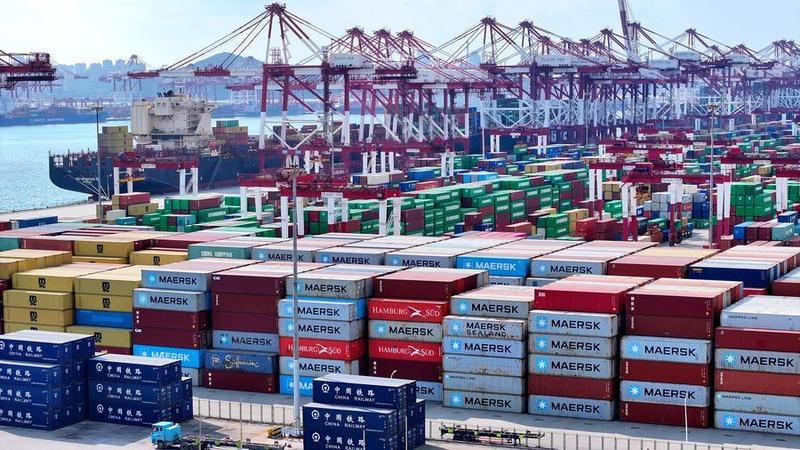
Infrastructure & Connectivity: The cumulative count of China-Europe freight trains has surpassed 120,000, providing a stable land-based alternative to maritime routes, which is especially critical during periods of regional instability.
-
Policy Liberalization: Unilateral visa-free access has been extended to 50 countries, facilitating the flow of human capital and "people-to-people" exchanges essential for foreign investment.
Strategic Value for Modernization
The "Two Sessions" delegates emphasize that opening up is the primary mechanism for accelerating industrial transformation. By amplifying the interplay between domestic and international resources, China seeks to seize the "historic opportunity" of the current technological revolution.
"Opening up is an intrinsic path toward China's prosperity and development... expanding high-standard opening up would help China seize the historic opportunity presented by a new round of technological and industrial revolution." — Li Chu, NPC Deputy.
| Strategic Goal | Implementation Mechanism | 2026 Focus |
| Market Expansion | BRI Cooperation | Deepening industrial collaboration in developing nations. |
| Tech Upgrading | Joint R&D & M&A | Breakthroughs in overseas investment and research. |
| Trade Stability | Free Trade Zones (FTZ) | Exploring regulatory frameworks for digital and green trade. |
Looking Ahead: The 15th Five-Year Plan (2026-2030)
As the 15th Five-Year Plan commences, the focus is on "making the pie bigger and distributing it better." This involves not only maintaining the volume of foreign trade but refining its mix toward high-value services and digital trade. The integration of bonded processing, logistics, and services at hubs like Ezhou and Ningbo suggests a shift toward a 360-degree open economy that is more resilient to global shocks.
By persisting with open cooperation, China aims to inject "certainty" into a global growth landscape that has been strained by protectionism and regional conflicts. The roadmap for 2026-2030 is clear: higher-level opening up is the engine that will power the next phase of qualitative economic growth.
News source:https://peoplesdaily.pdnews.cn/business/er/30051617719
Stop losing 13–15% on every sale to marketplace fees.
Cross-list one inventory to nine marketplaces in 12 seconds. Free tier covers 50 active listings, no time limit, no card required.